3K 240g Carbon Fiber Fabric: Engineering Specifications, Weave Selection, and B2B Sourcing Guide
The 3K 240g carbon fiber fabric has become one of the most widely specified reinforcement materials in composite manufacturing. With a standard areal weight of 240 GSM and a 3,000-filament tow count, this fabric delivers a proven balance of mechanical strength, drapability, and cost efficiency that suits applications ranging from aerospace secondary structures to automotive body panels and marine hull reinforcement. As a senior procurement specialist who has evaluated dozens of carbon fiber suppliers over the past decade, this guide covers the technical properties you need to verify, the weave pattern differences that affect layup performance, and how to assess a supplier’s reliability before committing to a bulk order.
What Defines 3K 240g Carbon Fiber Fabric
Understanding the specification sheet of a 3K 240g carbon fiber fabric requires familiarity with four key parameters: tow count, areal weight, weave style, and raw material grade.
Tow Count: Why 3K
The “3K” designation indicates each yarn bundle contains 3,000 individual carbon filaments, each approximately 7 micrometers in diameter. A 3K tow is considered the industry standard for general-purpose structural composites because it offers an optimal compromise between handling characteristics and laminate thickness. Finer tows such as 1K produce thinner, more drapable fabrics at higher cost, while 12K tows create coarser, heavier reinforcements better suited for thick structural laminates and rapid layup processes.
Areal Weight: 240 GSM Explained
The 240 grams per square meter (GSM) areal weight places this fabric firmly in the medium-weight category. For reference, lightweight fabrics range from 90 to 200 GSM, standard weights run from 200 to 300 GSM, and heavy reinforcements exceed 400 GSM. A 240 GSM fabric typically achieves a laminate thickness of approximately 0.25 mm per ply when combined with a standard epoxy resin system at a 50:50 fiber volume ratio, according to ASTM D3171 test methodology.
Tensile Strength and Modulus
Based on data sheets from qualified T700-grade carbon fiber suppliers, a cured laminate using 3K 240g fabric and a standard aerospace epoxy typically achieves:
- Tensile strength: 3,500 to 4,900 MPa (depending on fiber grade and resin system)
- Tensile modulus: 230 to 240 GPa
- Ultimate elongation: 1.5% to 1.7%
- Density: 1.76 to 1.80 g/cm³
- Fiber volume fraction achievable: 55% to 62% (vacuum bagging) or 60% to 68% (autoclave curing per ASTM D3530)
Plain Weave vs. Twill Weave: Selecting the Right Pattern
The weave pattern directly influences how the fabric handles during layup, how it conforms to complex geometries, and what the finished surface looks like. For 3K 240g fabric, manufacturers typically offer both plain and twill options.
Plain Weave (1×1)
Plain weave alternates each warp and weft yarn in a simple over-under pattern. The resulting fabric is the most dimensionally stable option and resists unraveling at cut edges better than twill. However, plain weave is inherently stiffer in the bias directions, making it less suitable for laying up over compound curves or deep contours.
Best suited for: flat panels, tooling surfaces, structural components where dimensional stability is critical, and applications requiring symmetric laminate properties in both the 0-degree and 90-degree directions.
Twill Weave (2×2)
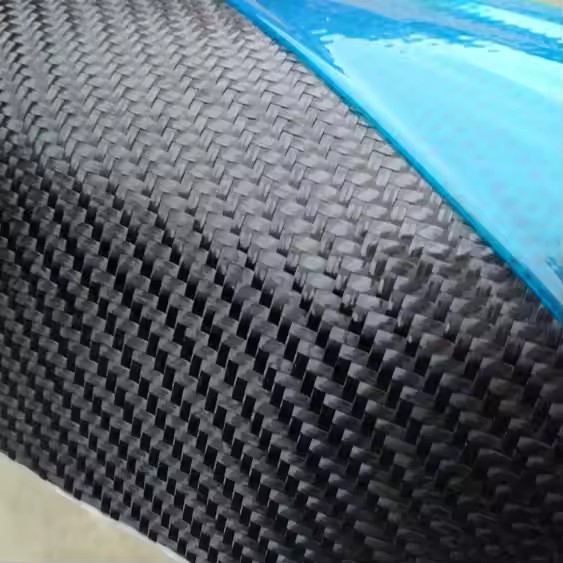
A 2×2 twill weave floats each yarn over two perpendicular yarns before going under two, creating a characteristic diagonal pattern. This construction provides significantly better drapability than plain weave, allowing the fabric to conform to moderate compound curves without excessive wrinkling. The twill pattern is also the preferred choice when a visible carbon fiber aesthetic is desired on the finished surface, as the diagonal texture is widely recognized by consumers.
Best suited for: automotive body panels, sporting goods, drone fuselage shells, motorcycle fairings, cosmetic panels, and any part requiring complex surface contours.
Featured 3K 240G Carbon Fiber Fabric Products
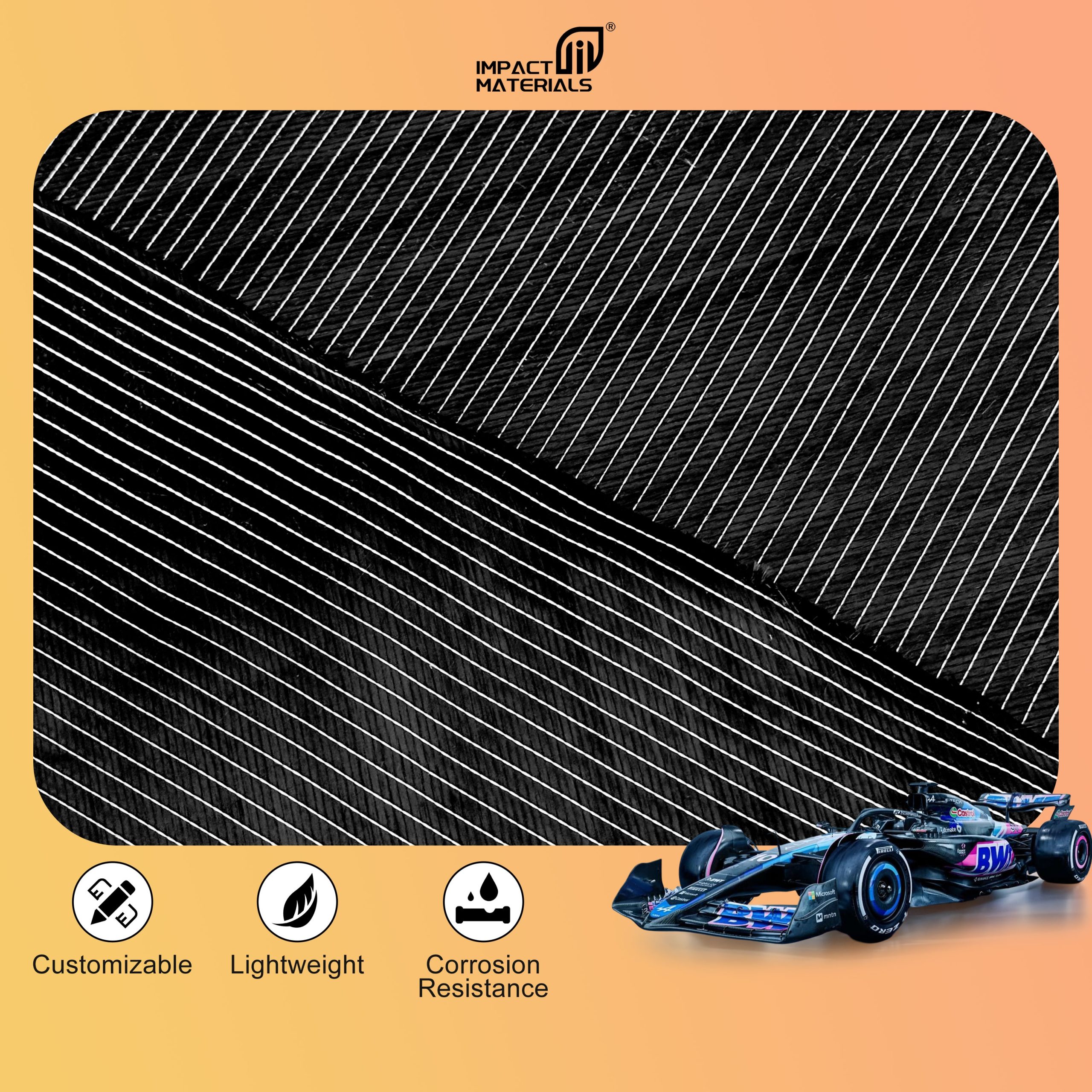
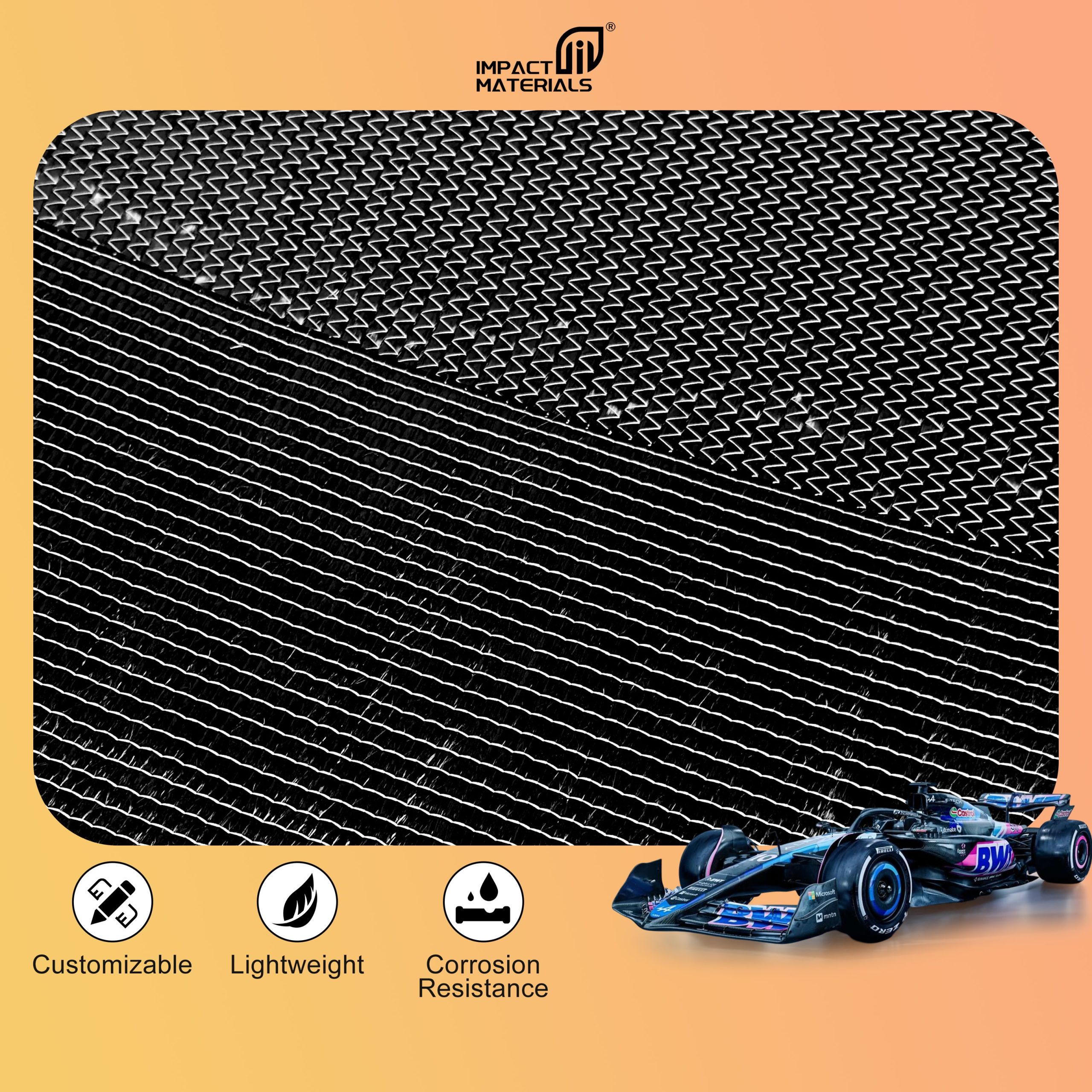
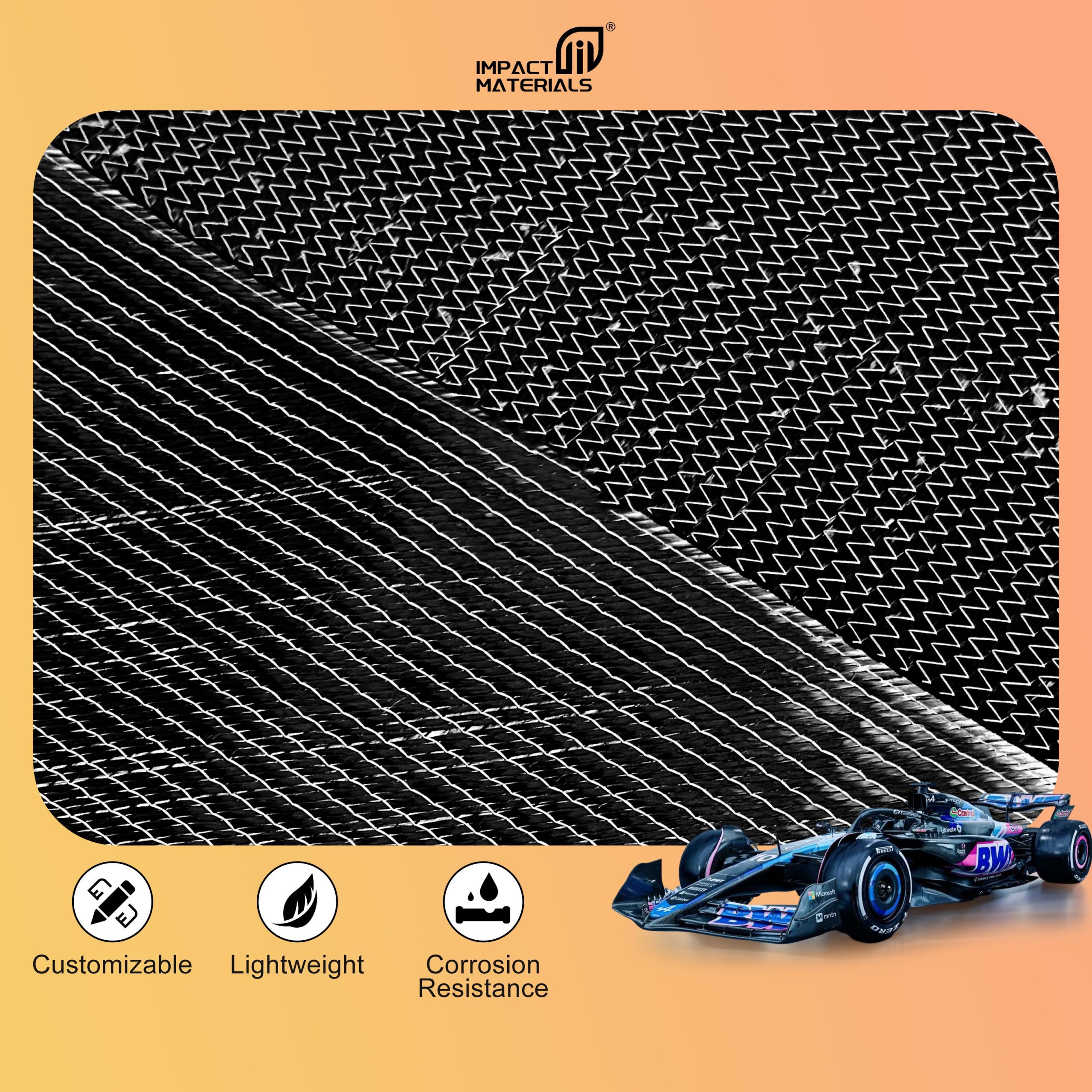
Explore our top-rated 3K 240g carbon fiber fabric products from Impact Materials, trusted by manufacturers in 120+ countries.
Resin Compatibility and Cure Processing
The performance of any carbon fiber laminate depends equally on the fabric quality and the resin matrix. The 3K 240g fabric is compatible with all major thermoset resin systems.
Epoxy Resin Systems
Epoxy remains the most common matrix for structural applications. Standard two-part laminating epoxies (mixed at 100:38 to 100:45 resin-to-hardener ratios) achieve full cure at room temperature within 24 hours or can be accelerated to 2 to 4 hours with moderate heat (60 to 80 degrees Celsius). For aerospace-grade laminates, prepreg systems with 120 or 180 degrees Celsius cure cycles deliver the highest fiber volume fractions and most consistent mechanical properties per ASTM D3039 testing.
Vinyl Ester and Polyester
Vinyl ester resins offer a good balance of mechanical performance, corrosion resistance, and lower cost than epoxy, making them popular for marine applications and large-scale industrial structures. Polyester resins are the most economical option but provide significantly lower mechanical properties and are generally limited to non-structural or semi-structural components.
Processing Methods
The 3K 240g fabric’s medium areal weight makes it suitable for virtually all composite manufacturing processes: hand layup with wet resin, vacuum bagging (the most common method for B2B production runs), resin infusion (also called VARTM per ASTM C1658), and autoclave molding for aerospace and high-performance applications.
Need a custom solution? Our technical experts are ready to help.
Industrial Applications Across Key Sectors
The versatility of 3K 240g carbon fiber fabric has driven its adoption across multiple industries.
Aerospace and Defense
In aircraft interiors, secondary structure floor panels, fairings, and antenna radomes, 3K 240g fabric provides the required strength-to-weight ratio while maintaining compliance with FAA flammability standards (FAR 25.853). Satellite structure components and UAV airframes also commonly specify this fabric weight class for its proven track record in thermal cycling environments.
Automotive and Motorsport
From Formula 1 monocoques to production electric vehicle battery enclosures, 3K 240g fabric delivers the impact resistance and energy absorption characteristics required for crash-worthy structures. Automotive suppliers typically specify twill weave for visible carbon components (hoods, roofs, spoilers) and plain weave for hidden structural reinforcements.
Marine Industry
High-performance racing yachts, work boat hulls, and offshore structural repairs use 3K 240g fabric in combination with vinyl ester or epoxy resins. The fabric’s resistance to saltwater degradation, when properly encapsulated in resin, provides service lifetimes exceeding 20 years according to ISO 12215 marine structural design standards.
Wind Energy
Wind turbine spar caps and blade root reinforcement zones use heavier unidirectional fabrics, but 3K 240g woven fabric is specified for shear web construction and leading-edge protection, where biaxial reinforcement and impact damage tolerance are critical.
Procurement Guide: Evaluating Carbon Fiber Fabric Suppliers
After reviewing supplier proposals from over 15 Chinese carbon fiber manufacturers, several critical evaluation criteria consistently separate reliable suppliers from problematic ones.
Quality Certifications to Verify
A qualified supplier should hold at minimum ISO 9001:2015 quality management certification. For aerospace applications, AS9100D certification is essential. Request copies of material test reports (MTRs) for each production batch, which should reference testing per ASTM standards including D3039 (tensile), D3410 (compressive), D2344 (interlaminar shear), and D790 (flexural).
Consistency and Batch-to-Batch Variation
The most common quality issue with Chinese carbon fiber fabric suppliers is inconsistent areal weight and resin content across production batches. A reputable supplier should maintain areal weight tolerance within plus or minus 5% of the nominal 240 GSM specification. Request third-party testing data or arrange independent lab verification for the first three production batches before committing to a long-term supply agreement.
Minimum Order Quantity and Lead Time
Most Chinese suppliers set MOQ at 50 to 100 meters per color and weave pattern. Standard production lead times range from 7 to 15 working days after order confirmation, depending on whether the fabric is in stock or requires a custom weaving run. For orders exceeding 1,000 meters, negotiate a 30-day delivery schedule with staggered shipments to manage working capital.
Packaging and Shelf Life
Carbon fiber fabric is typically packaged in rolls of 50 to 100 linear meters, wrapped in polyethylene film with desiccant packets. Store in a dry environment below 25 degrees Celsius. While dry fabric has an indefinite shelf life, if prepreg or resin-impregnated variants are specified, shelf life is limited to 6 to 12 months depending on the resin system (per ASTM D5229 moisture absorption guidelines).
Common Quality Issues and How to Detect Them
During incoming quality inspection, watch for these frequently encountered problems.
Broken Filaments and Fuzzing
Run your hand across the fabric surface. Visible broken filaments (fuzzing) indicate handling damage during weaving or packaging. Minor fuzzing is acceptable for non-aesthetic structural applications, but excessive filament breakage reduces the effective fiber cross-sectional area and can lower laminate tensile strength by 5% to 15%.
Inconsistent Tow Spacing
Place the fabric on a light table and inspect the yarn spacing. Uneven tow gaps greater than 0.5 mm can create resin-rich zones in the cured laminate, acting as stress concentration points that initiate delamination under cyclic loading. This defect is especially problematic for aerospace-grade applications and should be a rejection criterion per buyer specifications.
Moisture Contamination
Fabric that has absorbed atmospheric moisture may feel slightly damp or exhibit minor discoloration. Moisture-contaminated fabric produces voids and blisters during vacuum bagging cure cycles. If moisture is suspected, dry the fabric at 80 to 100 degrees Celsius for 2 to 4 hours in a ventilated oven before use, per manufacturer recommendations.
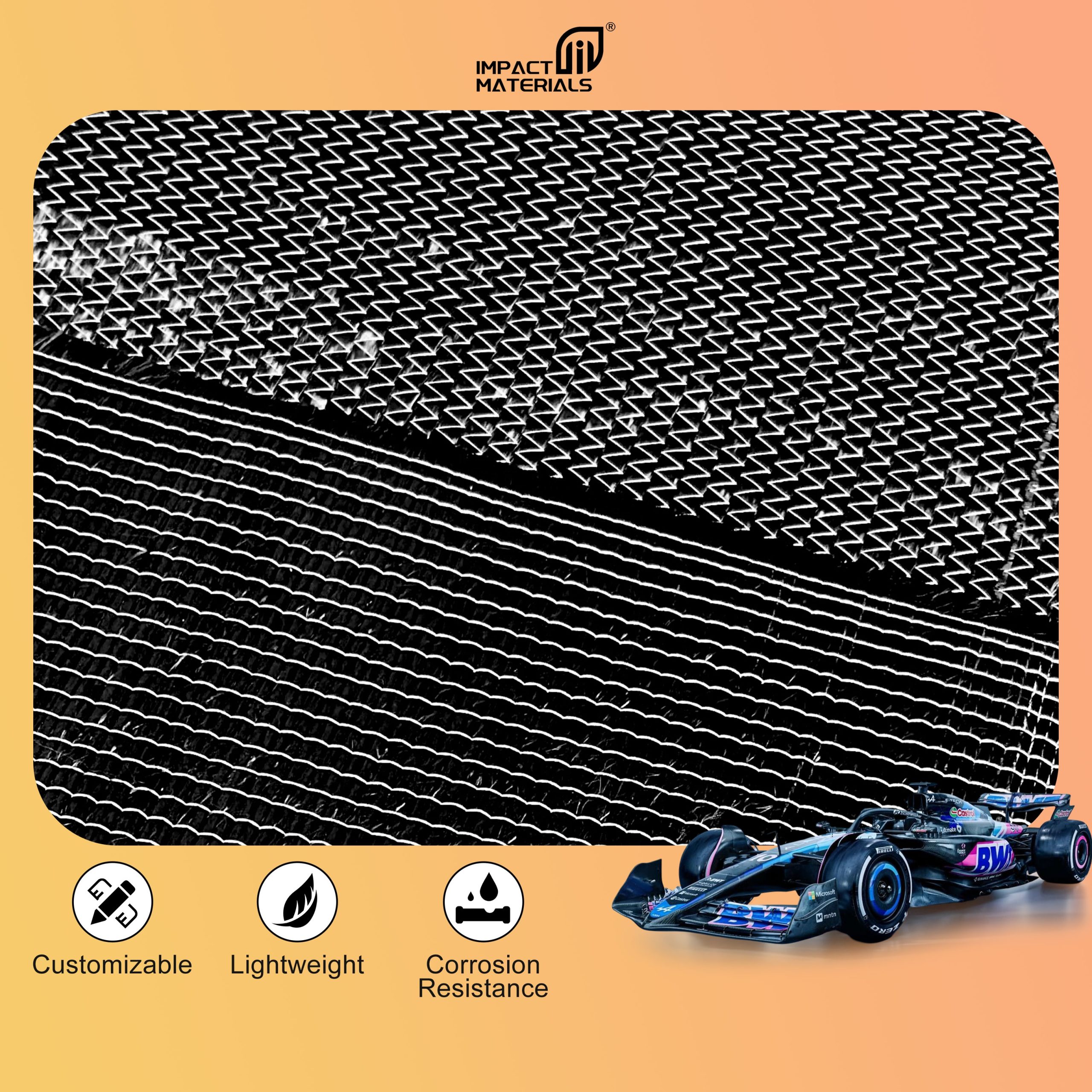
More 3K 240G Carbon Fiber Fabric Solutions
Discover additional 3K 240g carbon fiber fabric options to meet your specific project requirements.
Ready to Source Quality Composite Materials?
Impact Materials serves 120+ countries with 400+ product specifications. Get your custom quote in 24 hours.
Frequently Asked Questions
What is the difference between 3K and 12K carbon fiber fabric?
3K fabric uses yarns containing 3,000 filaments per tow, resulting in a finer texture, better surface finish, and higher drape. 12K fabric uses 12,000 filaments per tow, producing a coarser, heavier fabric with higher areal weight per ply and lower cost per square meter. For most structural and cosmetic applications, 3K is the preferred choice.
Can 3K 240g fabric be used with infusion processing?
Yes. The 240 GSM areal weight and woven structure provide sufficient porosity for resin flow during vacuum-assisted resin transfer molding (VARTM). Use a flow media layer and ensure the resin viscosity is below 300 centipoise at infusion temperature for optimal fiber wet-out.
How many layers of 3K 240g fabric are needed for a 3mm thick laminate?
Each ply of 3K 240g fabric produces approximately 0.25 mm cured thickness. To achieve 3 mm, you would need approximately 12 plies, though the exact count depends on resin type, cure pressure, and target fiber volume fraction. Always verify with a test coupon before committing to production tooling.
Is 3K 240g fabric suitable for autoclave processing?
Absolutely. 3K 240g fabric is widely used in autoclave-cured aerospace components. Autoclave processing at 120 to 180 degrees Celsius and 85 to 100 psi (585 to 690 kPa) per ASTM C613 yields fiber volume fractions of 60% to 68%, delivering the highest possible mechanical properties from this fabric specification.
What is the typical cost per square meter for 3K 240g carbon fiber fabric?
Pricing varies significantly based on fiber grade (T300 vs. T700 vs. T800), weave pattern, and order volume. T700-grade 3K 240g plain weave fabric from Chinese manufacturers typically ranges from USD 8 to 15 per square meter for orders of 100 to 500 meters. Prepreg versions cost 2 to 3 times more due to the resin impregnation process and cold chain shipping requirements.
How should I store carbon fiber fabric to maintain quality?
Store rolls vertically in a climate-controlled warehouse at 15 to 25 degrees Celsius with relative humidity below 60%. Keep the polyethylene packaging sealed until ready for use. For long-term storage exceeding 12 months, inspect for moisture damage before use. Properly stored dry woven fabric has no meaningful shelf life limitation.