Quality and Compliance in Carbon Fiber for Medical Equipment
In the evolving landscape of healthcare technology, ensuring the quality and compliance of materials is crucial for medical equipment development. Carbon fiber has emerged as a preferred material due to its superior properties, offering enhanced durability and reduced weight compared to traditional metals. This article delves into the quality assurance and compliance measures necessary for utilizing carbon fiber in medical applications. It covers international standards, inspection methods, and supplier verification processes to ensure that the highest quality is maintained. Discover how certified suppliers like Impact Materials, based in Hangzhou, China, meet the rigorous demands of the global market, and learn about the various types of carbon fiber products suitable for medical use.
Key Takeaways
- Carbon fiber can dramatically reduce the weight of medical equipment, improving maneuverability and reducing strain on healthcare professionals.
- High durability and low maintenance requirements make carbon fiber a cost-effective solution in the long term.
- Carbon fiber’s tensile strength of up to 7000 MPa makes it ideal for high-stress medical applications.
- Compliance with international standards is critical; sourcing from certified suppliers like Impact Materials ensures adherence to these requirements.
Ensuring Compliance and Quality in Medical Equipment
Strength and Lightweight Characteristics
The strength-to-weight ratio of carbon fiber is unparalleled, making it a top choice for medical applications where ease of handling and robustness are necessary. Achieving tensile strengths as high as 7000 MPa, carbon fiber is lighter and more manageable than conventional materials like steel, ideal for use in surgical robotics and diagnostic equipment where precision is paramount. For more technical insights, refer to this comprehensive guide on carbon fiber for medical supplier.
Resistance to Corrosion
In medical environments, where equipment is exposed to a range of substances, corrosion resistance is vital. Carbon fiber not only provides this resistance but also extends the lifespan of equipment. Compliance with ISO 14125 ensures the material’s resistance under stress, proving its suitability for long-term use in aggressive environments.
Benefits in Imaging Equipment
Carbon fiber’s radiolucency makes it invaluable in imaging technologies, such as MRI machines, allowing for clear, artifact-free images. This quality ensures enhanced diagnostic accuracy and improved patient outcomes, reaffirming carbon fiber’s role in modern medical equipment.
Applications in Medical Fields
Surgical Tools
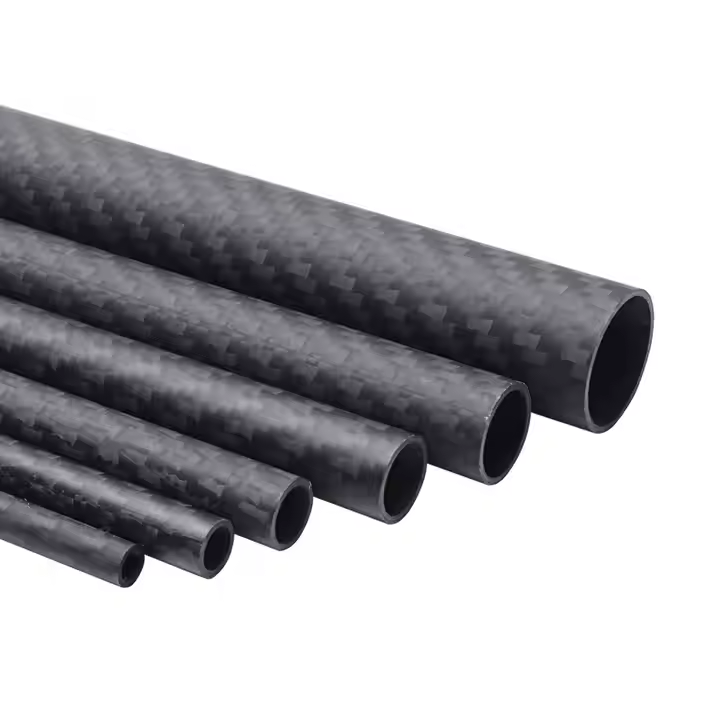
The use of carbon fiber in surgical instruments enhances control and reduces fatigue for surgeons during prolonged procedures due to its lightweight nature. Customization options further optimize performance, as offered through services like the Customized Round CFRP Carbon Fiber Tube.
Prosthetics and Orthotic Devices
Prosthetics and orthotics benefit from the lightness and strength of carbon fiber, enhancing comfort and functionality. Its fatigue resistance ensures longevity, critical for meeting patient needs over time.
Mobility Aids
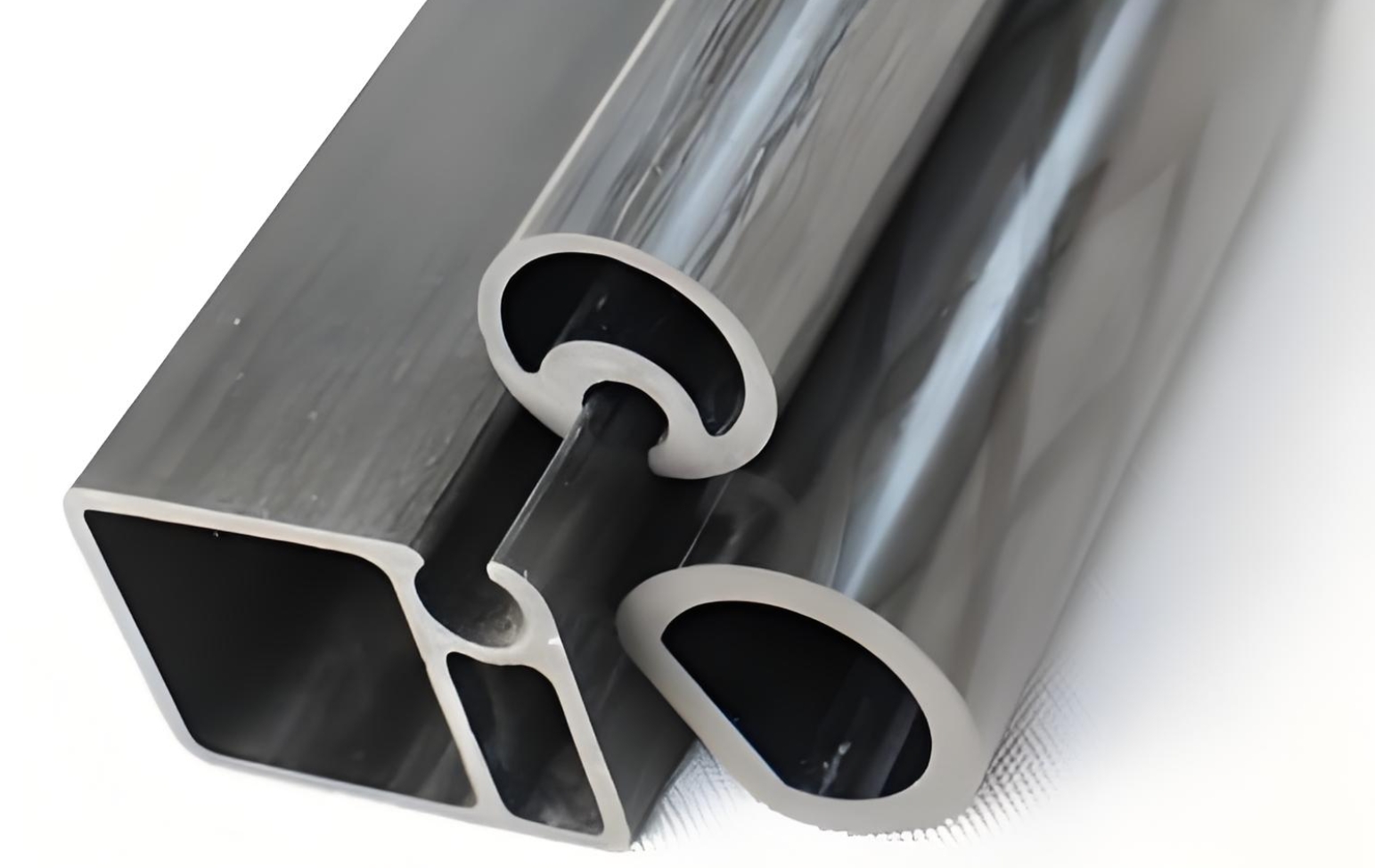
In the realm of patient mobility aids, carbon fiber is used in the construction of wheelchairs and similar devices. Its lightweight composition supports easy maneuvering, while its strength guarantees durability. These attributes are exemplified in products like the Special Section Pultruded Carbon Fiber Rod.
Featured Carbon Fiber Products for Medical Applications
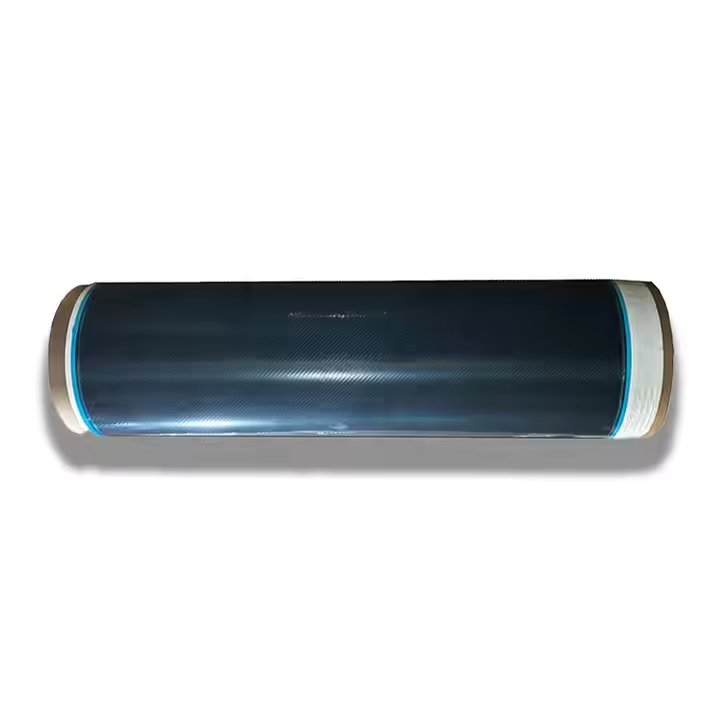
Explore a selection of our top-rated carbon fiber products, trusted by healthcare manufacturers across over 120 countries.
Ensuring Quality in Sourcing Carbon Fiber
Criteria for Supplier Selection
When sourcing carbon fiber for medical applications, selecting a supplier with extensive experience and international certification is essential. Suppliers like Impact Materials, which serves over 120 countries, exhibit this expertise. Buyers should verify their supplier’s compliance with standards and review their track record, such as Impact Materials’ 3,200+ successful projects.
Quality Verification and International Standards
Quality assurance in carbon fiber components is grounded in adherence to stringent standards like ASTM D3039, which evaluates the tensile properties of composite materials. Buyers should request a Certificate of Analysis (COA) to confirm compliance. For purchasing options, consider exploring buy carbon fiber for medical to ensure the materials meet all necessary specifications.
For further information on sourcing premium carbon fiber materials, visit Impact Materials for carbon fiber for medical solutions, and discover how our products and services support high-quality, compliant medical equipment production.